
MORE DETAILS
More about the course.
This course is unique on the market as it teaches four Scaled Agile frameworks (Yes, it can be done). Therefore, it is meant for participants with prior Agile and Lean experience.
Duration: 5 days, 22 hours (60-minute hours), 8:00 – 12:30
Language: Slovenian or English
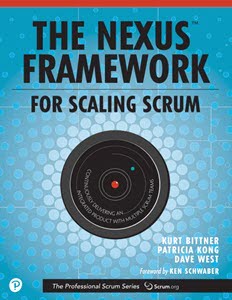
Material: Presentation PDF + The Nexus Framework book + 1 hour of free Agile consulting
Most Scaled Agile courses teach a single framework. Course at hand takes a different approach. Participants learn the strengths, weaknesses and implementation trade-offs of Nexus, LeSS, Scrum@Scale and SAFe, enabling them to make informed decisions rather than adopting a framework solely because it is currently fashionable or mandated by a vendor.
Scaled Agile is the next step in Agile evolution of your organization. As project requirements grow, teams need to expand, or scale, to a group of Scrum teams, effectively working as one on the same integrated product. Various Scaled Agile frameworks like Nexus, LeSS, Scrum@Scale, and SAFe have emerged to address these challenges. The goal of these frameworks is the same: Enable organizations to handle large and complex development commitments towards customers. No matter whether those customers are internal, contractual or consumer market based.
Participants in this unique course will get in-depth knowledge about several Scaled Agile frameworks. It will equip you with concepts and practical knowledge that will let you successfully implement selected framework in your organization. During course, participants also work on a larger case study that combines software and hardware development intricacies of scaling the initiative without losing efficiency.
I would like you to succeed: The course includes 1 hour of personal consulting to jump-start your Agile transformation. Consulting can be used during four months after the course’s completion.
MORE DETAILS
More about the course.
This course is unique on the market as it teaches four Scaled Agile frameworks (Yes, it can be done). Therefore, it is meant for participants with prior Agile and Lean experience.
Duration: 5 days, 22 hours (60-minute hours), 8:00 – 12:30
Language: Slovenian or English
Material: Presentation PDF + The Nexus Framework book + 1 hour of free Agile consulting
Most Scaled Agile courses teach a single framework. Course at hand takes a different approach. Participants learn the strengths, weaknesses and implementation trade-offs of Nexus, LeSS, Scrum@Scale and SAFe, enabling them to make informed decisions rather than adopting a framework solely because it is currently fashionable or mandated by a vendor.
Scaled Agile is the next step in Agile evolution of your organization. As project requirements grow, teams need to expand, or scale, to a group of Scrum teams, effectively working as one on the same integrated product. Various Scaled Agile frameworks like Nexus, LeSS, Scrum@Scale, and SAFe have emerged to address these challenges. The goal of these frameworks is the same: Enable organizations to handle large and complex development commitments towards customers. No matter whether those customers are internal, contractual or consumer market based.
Participants in this unique course will get in-depth knowledge about several Scaled Agile frameworks. It will equip you with concepts and practical knowledge that will let you successfully implement selected framework in your organization. During course, participants also work on a larger case study that combines software and hardware development intricacies of scaling the initiative without losing efficiency.
We would like you to succeed: The course includes 1 hour of personal consulting to jump-start your Agile transformation. Consulting can be used during four months after the course’s completion.
Scaling Agile Fundamentals
- Why Agile teams need to scale
- Common scaling challenges
- Coordination versus bureaucracy
- Maintaining agility as organisations grow
- Agile transformation considerations
Scrum at Scale
- Scaling Scrum beyond a single team
- Scrum of Scrums approach
- Multi-team coordination
- Product integration challenges
- Continuous delivery in large environments
Nexus Framework
- Nexus structure and accountabilities
- Nexus Integration Team
- Nexus events and artefacts
- Cross-team refinement
- Managing dependencies
Large-Scale Scrum (LeSS)
- LeSS principles
- One Product Backlog concept
- Feature Teams
- LeSS Huge
- Organisational implications of LeSS
Scrum@Scale
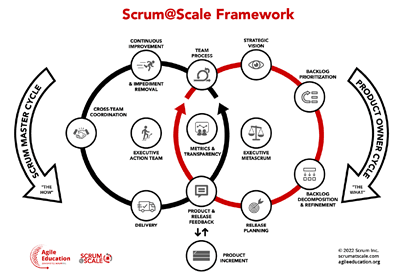
- Scrum Master Cycle
- Product Owner Cycle
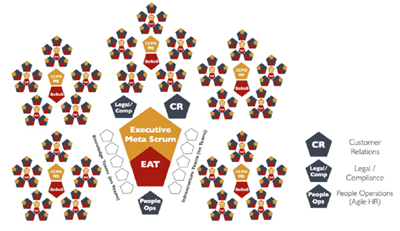
- Executive Action Team
- Executive MetaScrum
- Scaling organisational agility
SAFe Overview
- SAFe structure and terminology
- Agile Release Trains
- Value Streams
- PI Planning
- Portfolio alignment concepts
Framework Comparison
- Similarities and differences between scaling frameworks
- Selection criteria
- Common implementation pitfalls
- Organisational fit considerations
Scaling Techniques
- Multi-team planning
- Cross-team backlog refinement
- Dependency management
- Inter-team communication
- Integration strategies
- Scaling Product Owner and Scrum Master responsibilities
Large Case Study
- Scaling a complex initiative
- Software and hardware development challenges
- Framework selection exercise
- Practical implementation scenarios
In case of specific questions don’t hesitate to get in touch with sales@deltaagile.com
Disclaimer: This class is not endorsed by or affiliated with scrum.org or Project Management Institute.


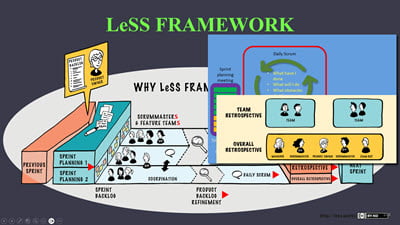

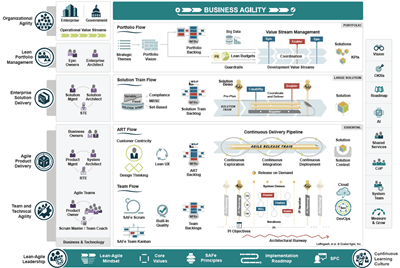
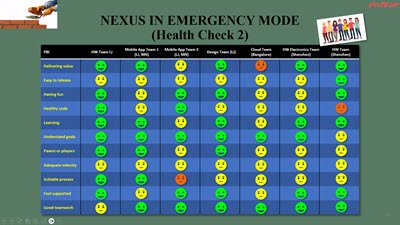
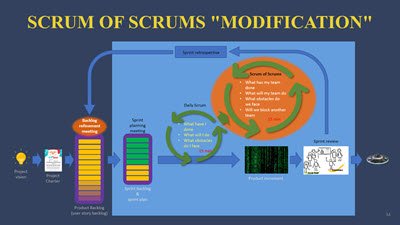
Scaling Agile Fundamentals
- Why Agile teams need to scale
- Common scaling challenges
- Coordination versus bureaucracy
- Maintaining agility as organisations grow
- Agile transformation considerations
Scrum at Scale
- Scaling Scrum beyond a single team
- Scrum of Scrums approach
- Multi-team coordination
- Product integration challenges
- Continuous delivery in large environments
Nexus Framework
- Nexus structure and accountabilities
- Nexus Integration Team
- Nexus events and artefacts
- Cross-team refinement
- Managing dependencies
Large-Scale Scrum (LeSS)
- LeSS principles
- One Product Backlog concept
- Feature Teams
- LeSS Huge
- Organisational implications of LeSS
Scrum@Scale
- Scrum Master Cycle
- Product Owner Cycle
- Executive Action Team
- Executive MetaScrum
- Scaling organisational agility
SAFe Overview
- SAFe structure and terminology
- Agile Release Trains
- Value Streams
- PI Planning
- Portfolio alignment concepts
Framework Comparison
- Similarities and differences between scaling frameworks
- Selection criteria
- Common implementation pitfalls
- Organisational fit considerations
Scaling Techniques
- Multi-team planning
- Cross-team backlog refinement
- Dependency management
- Inter-team communication
- Integration strategies
- Scaling Product Owner and Scrum Master responsibilities
Large Case Study
- Scaling a complex initiative
- Software and hardware development challenges
- Framework selection exercise
- Practical implementation scenarios
In case of specific questions don’t hesitate to get in touch with sales@deltaagile.com
Disclaimer: This class is not endorsed by or affiliated with scrum.org or Project Management Institute.
Available Dates
Course | Date | Confirmed |
|---|---|---|
Autumn | ||
Autumn | ||
Autumn | ||
Autumn |
Related products
Agile & Lean for Developers
350,00 € This product has multiple variants. The options may be chosen on the product pageScrum Master Course
750,00 € This product has multiple variants. The options may be chosen on the product pageProduct Owner Course
850,00 € This product has multiple variants. The options may be chosen on the product page