
MORE DETAILS
More about the course.
Most Agile training courses are designed for Scrum Masters, Product Owners or managers. This course is different. It is designed specifically for developers who want to understand Agile and Lean approaches, improve their day-to-day work, identify dysfunctional practices and actively influence how their teams and organisations operate.
Duration: 2 days, 9 hours (60-minute hours), 8:00 AM – 12:30 PM
Language: Slovenian or English
Training material: Presentation PDF
This course is not:
- Scaled-down Scrum Master course.
- Brainwashing of developers to non-critically accept chosen Agile framework and stop questioning delegated decisions.
- Focused on only one framework.
- Focused on certification, although it gives enough knowledge for participants to pass Professional Scrum Master I (PSM I) certification from scrum.org.
This course is:
- Unique on the market as it is developer-centric.
- Presenting Agile and Lean approaches from the developer’s perspective.
- Helping developers to establish better work-life balance.
- Meant to give developers knowledge and tools to steer their chosen approach.
- Meant to help kick-start organization’s Agile transformation.
- Enabling developers to identify and correct Agile antipatterns.
- A bit technical in a few points related to Test Driven development.
More about the course.
Most Agile training courses are designed for Scrum Masters, Product Owners or managers. This course is different. It is designed specifically for developers who want to understand Agile and Lean approaches, improve their day-to-day work, identify dysfunctional practices and actively influence how their teams and organisations operate.
Duration: 2 days, 9 hours (60-minute hours), 8:00 AM – 12:30 PM
Language: Slovenian or English
Training material: Presentation PDF
This course is not:
- Scaled-down Scrum Master course.
- Brainwashing of developers to non-critically accept chosen Agile framework and stop questioning delegated decisions.
- Focused on only one framework.
- Focused on certification, although it gives enough knowledge for participants to pass Professional Scrum Master I (PSM I) certification from scrum.org.
This course is:
- Unique on the market as it is developer-centric.
- Presenting Agile and Lean approaches from the developer’s perspective.
- Helping developers to establish better work-life balance.
- Meant to give developers knowledge and tools to steer their chosen approach.
- Meant to help kick-start organization’s Agile transformation.
- Enabling developers to identify and correct Agile antipatterns.
- A bit technical in a few points related to Test Driven development.
Agile and Lean Fundamentals
- Agile values and principles
- Lean thinking
- Empirical process control
- Agile versus traditional development approaches
- Agile transformation challenges
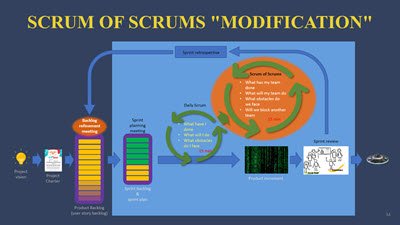
Scrum for Developers
- Scrum roles and responsibilities
- Sprint Planning
- Daily Scrum formats
- Sprint Reviews and Retrospectives
- Product Backlog fundamentals
- Definition of Done
Kanban and Flow Optimisation
- Kanban principles
- Visualisation of work
- Work In Progress (WIP) limits
- Pull systems
- Self-regulating flow
- Scrumban
User Stories and Planning
- User Stories
- User Story decomposition
- Story Points
- Relative estimation
- Sprint planning techniques
Agile Metrics
- Velocity
- Burndown and Burnup charts
- Cycle Time
- Aging Work
- Flow Efficiency
- Cumulative Flow Diagrams
- Cycle Time Scatterplots
Agile Engineering Practices
- Test Driven Development (TDD)
- Red-Green-Refactor cycle
- Continuous Integration (CI)
- Continuous Delivery (CD)
- DevOps overview
- Agile modelling
Team Effectiveness
- Team agreements
- Collaboration practices
- Working with Product Owners and Scrum Masters
- Agile antipatterns
- Identifying and removing organisational impediments
Scaling Agile
- Scaling Agile overview
- Common scaling challenges
- Overview of major scaling frameworks
In case of specific questions don’t hesitate to get in touch with sales@deltaagile.com.
Disclaimer: This class is not endorsed by or affiliated with scrum.org, LeSS Company B.V., Scrum Inc., or Scaled Agile Inc..




Agile and Lean Fundamentals
- Agile values and principles
- Lean thinking
- Empirical process control
- Agile versus traditional development approaches
- Agile transformation challenges
Scrum for Developers
- Scrum roles and responsibilities
- Sprint Planning
- Daily Scrum formats
- Sprint Reviews and Retrospectives
- Product Backlog fundamentals
- Definition of Done
Kanban and Flow Optimisation
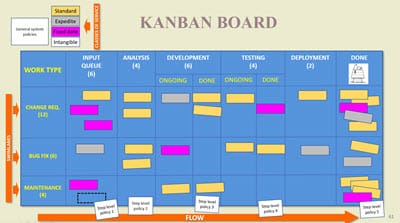
- Kanban principles
- Visualisation of work
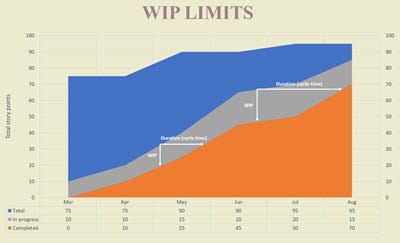
- Work In Progress (WIP) limits
- Pull systems
- Self-regulating flow
- Scrumban
User Stories and Planning
- User Stories
- User Story decomposition
- Story Points
- Relative estimation
- Sprint planning techniques
Agile Metrics
- Velocity
- Burndown and Burnup charts
- Cycle Time
- Aging Work
- Flow Efficiency
- Cumulative Flow Diagrams
- Cycle Time Scatterplots
Agile Engineering Practices
- Test Driven Development (TDD)
- Red-Green-Refactor cycle
- Continuous Integration (CI)
- Continuous Delivery (CD)
- DevOps overview
- Agile modelling
Team Effectiveness
- Team agreements
- Collaboration practices
- Working with Product Owners and Scrum Masters
- Agile antipatterns
- Identifying and removing organisational impediments
Scaling Agile
- Scaling Agile overview
- Common scaling challenges
- Overview of major scaling frameworks
In case of specific questions don’t hesitate to get in touch with sales@deltaagile.com.
Disclaimer: This class is not endorsed by or affiliated with scrum.org, LeSS Company B.V., Scrum Inc., or Scaled Agile Inc..
Available Dates
Course | Date | Confirmed |
|---|---|---|
Autumn | ||
Autumn | ||
Autumn | ||
Autumn |
Related products
Scrum Master Course
750,00 € This product has multiple variants. The options may be chosen on the product pageProduct Owner Course
850,00 € This product has multiple variants. The options may be chosen on the product pageScaled Agile Course
1.150,00 € This product has multiple variants. The options may be chosen on the product page